Healthy soil is the foundation of every thriving garden or lawn. Yet, it’s often the most overlooked part of outdoor care. Whether you’re aiming for vibrant flowers, productive vegetables, or a lush green lawn, good soil health makes all the difference.
In this blog, we’ll explore what healthy soil really means, the unique challenges UK gardeners face, and simple steps to improve soil condition in your garden or lawn.
What Is Soil Health?
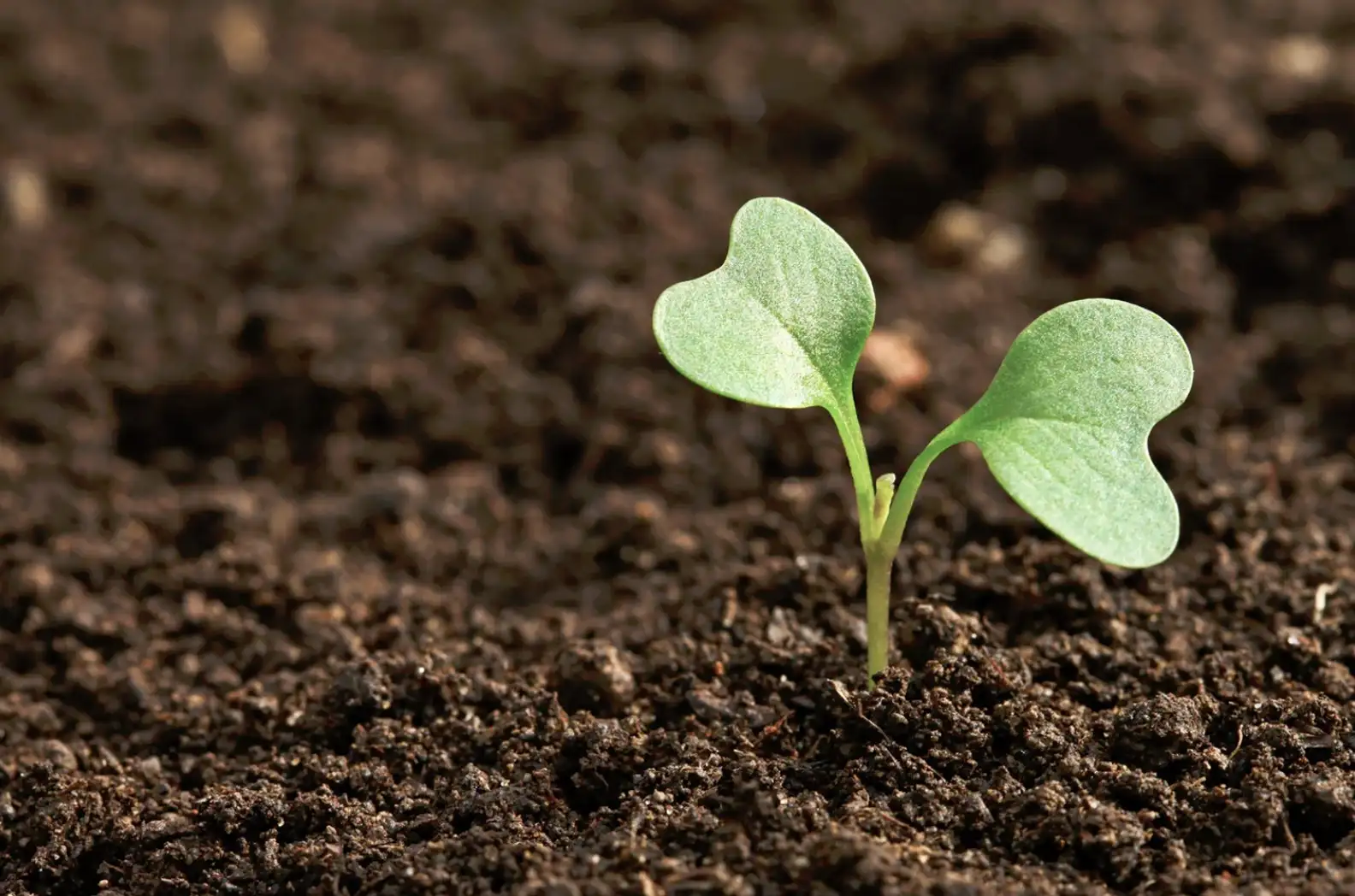
Soil health refers to the condition of the soil in terms of its structure, nutrient content, moisture retention, and biological activity. In healthy soil, air, water, microbes, and nutrients coexist in balance—creating the perfect environment for plants to grow strong roots and absorb essential minerals.
Signs of Healthy Soil
- Crumbly, moist texture
- Earthworm activity
- Balanced pH (not too acidic or alkaline)
- Good drainage without becoming too dry
- Darker colour from organic matter
If your soil is compacted, overly dry, heavy with clay, or lacking life (like worms or roots), it may need improvement.
Common Soil Types in the UK
UK gardens feature a wide variety of soil types, each with its strengths and challenges:
- Clay Soil: Holds nutrients well but can become compacted and waterlogged
- Sandy Soil: Drains quickly but often lacks nutrients
- Loamy Soil: The ideal mix—crumbly, nutrient-rich, and well-draining
- Chalky Soil: Often alkaline and stony; not ideal for acid-loving plants
- Peaty Soil: Rich in organic matter but may need drainage improvement
Knowing your soil type helps you choose the right plants and amendments.
How to Test Your Soil
To understand your soil health, start with these simple checks:
- Texture test: Rub a small handful of damp soil between your fingers. Sticky? It’s clay. Gritty? Sandy.
- Drainage test: Dig a small hole, fill it with water, and see how fast it drains.
- pH test kit: Available online or at garden centres; ideal for adjusting your fertiliser or plant choices.
You can also send a soil sample to a local lab for a full analysis, especially if you’re growing food crops.
How to Improve Soil Health in the UK
1. Add Organic Matter
Compost, leaf mould, and well-rotted manure enrich soil, improve structure, and boost microbial activity. Use a suitable fertiliser to improve the wellness of your soil.
2. Avoid Over-Tilling
Digging too frequently disturbs soil organisms and breaks down structure. Where possible, use a “no-dig” approach—especially in flower and veg beds.
3. Use Mulch
Apply a layer of organic mulch (e.g. bark, compost, or grass clippings) to retain moisture, suppress weeds, and slowly feed the soil as it breaks down.
4. Aerate Compacted Areas
Use a garden fork or aerator on compacted lawns or beds to improve airflow and drainage—especially in heavy clay soils. Aeration improves soil health crucially.
5. Plant Cover Crops or Green Manures
In veg beds, sowing green manures in autumn protects the soil and adds nutrients when dug in the following spring.
6. Rotate Crops and Vary Plants
Different plants use and replenish different nutrients. In flower beds and veg patches, avoid planting the same species in the same spot year after year.
Soil Health and Lawn Care
If you’re focused on a healthy UK lawn:
- Aerate in spring or autumn to reduce compaction
- Top-dress with compost or lawn sand to improve soil structure
- Feed with season-specific fertilisers based on your soil type
- Avoid heavy foot traffic when the ground is wet
Final Thoughts
Your garden’s success starts below the surface. Taking the time to care for your soil—whether through composting, aeration, or mulching—will pay off in stronger plants, better drainage, and greener results. Think of soil not just as “dirt”, but as a living system that needs nurturing.