If you’re aiming for a lush, healthy lawn, aeration should be part of your annual lawn care routine. But timing is everything—especially in the UK’s unpredictable climate. So when is the best time to aerate your lawn?
In this blog, we’ll break down what lawn aeration is, why it matters, and most importantly, when to aerate your lawn for the best results.
What Is Lawn Aeration?
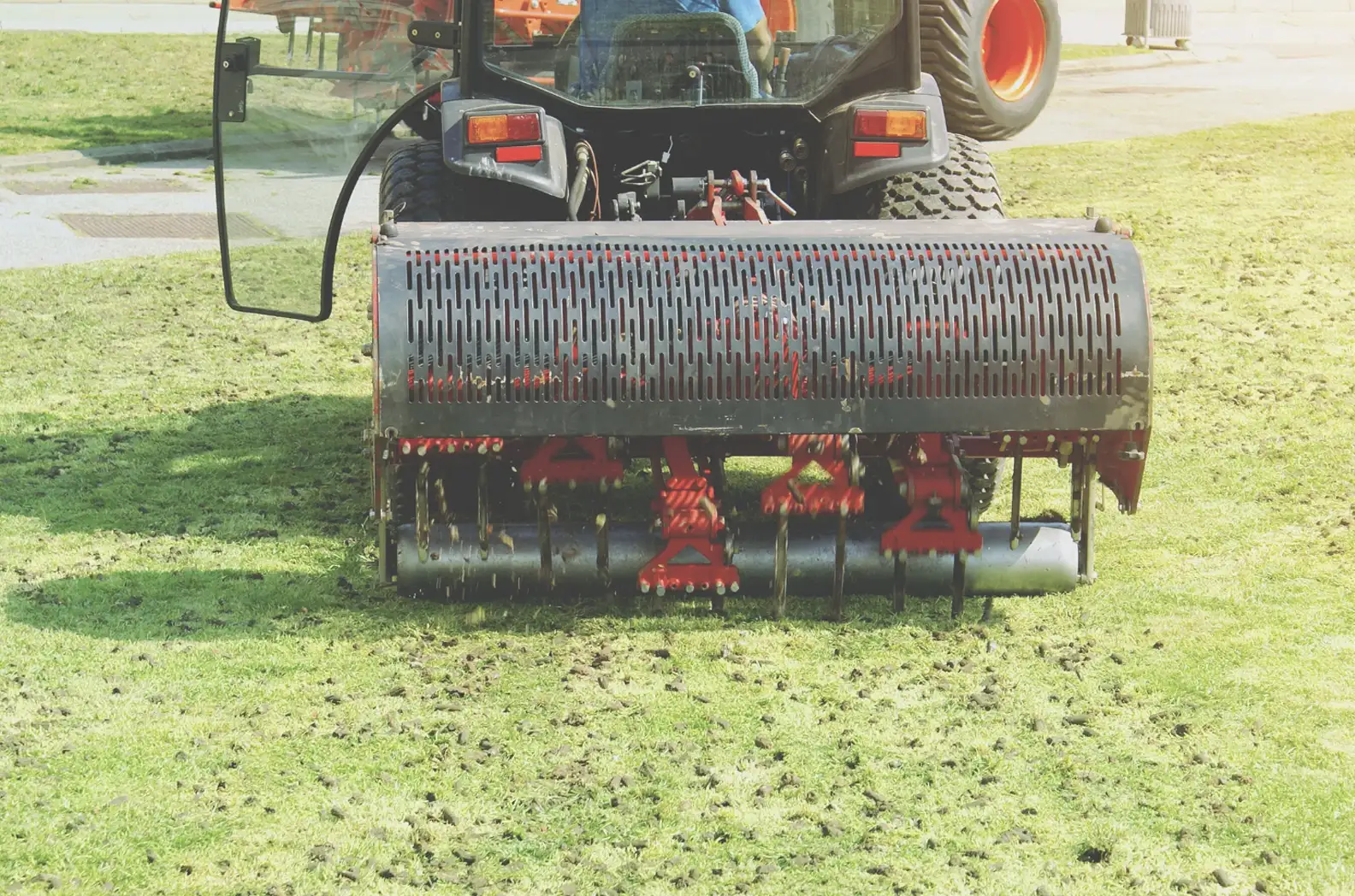
Aeration is the process of perforating the soil with small holes to allow air, water, and nutrients to penetrate down to the grass roots. It helps relieve soil compaction, improve drainage, and boost overall grass and soil health.
There are two main types of lawn aeration:
- Spike aeration – using a garden fork or spiked roller to poke holes into the soil
- Core (hollow tine) aeration – removing small plugs of soil to reduce compaction more effectively
Why Aerate Your Lawn?
UK lawns often suffer from:
- Heavy foot traffic
- Clay-heavy soil prone to compaction
- Poor drainage after rainfall
- Thatch build-up (a dense layer of organic matter at the base of the grass)
Aeration tackles all of these issues and helps your lawn:
- Absorb water more efficiently
- Develop deeper, stronger roots
- Respond better to fertiliser and overseeding
- Bounce back after summer wear or winter stress
The Best Time to Aerate a Lawn in the UK
The ideal time to aerate your lawn in the UK is during the growing season, when the grass can quickly recover—either in spring or early autumn, depending on your lawn type and condition.
Spring (March to May)
- Ideal for: Lawns that are compacted or heavily used
- Conditions: Soil is soft, grass is actively growing
- Bonus: Aeration helps prepare your lawn for summer use and heat stress
Autumn (September to October)
- Ideal for: Lawns that suffered through a dry or busy summer
- Conditions: Soil is still warm, but with more moisture
- Bonus: Aeration before winter allows better drainage and reduces the risk of moss
Avoid aerating in winter when grass is dormant or during drought in summer, when recovery will be slow and your lawn could become more vulnerable.
How Often Should You Aerate Your Lawn?
Most UK gardens benefit from aerating once a year, especially if the soil is compacted or you have kids and pets using the lawn regularly. If your soil is particularly heavy clay, you may even benefit from twice a year—once in spring, and again in autumn.
Aftercare: What to Do After Aerating
Once you’ve aerated:
- Leave the plugs on the lawn (if using hollow tines)—they’ll break down naturally.
- Top dress with a thin layer of compost or sand to improve soil structure.
- Overseed bare patches to thicken up your lawn.
- Water if dry, especially in spring.
- Avoid mowing for a few days to give the lawn time to recover.
Final Thoughts
Aerating your lawn at the right time—either spring or early autumn—can dramatically improve its health, appearance, and resilience. It’s one of the most effective steps in any lawn care routine and can make all the difference in creating that lush green finish UK gardeners love.