As the days get shorter and temperatures drop, many homeowners shift their focus indoors, leaving their lawns to fend for themselves during the winter months. However, neglecting your lawn in winter can lead to problems come spring. With a bit of attention and the right strategies, you can ensure your lawn stays healthy and vibrant when the growing season returns. Here’s a comprehensive guide to winter lawn care, helping you protect and prepare your lawn for a lush, green comeback.
Understanding Your Lawn’s Needs in Winter
Dormancy: A Natural Pause
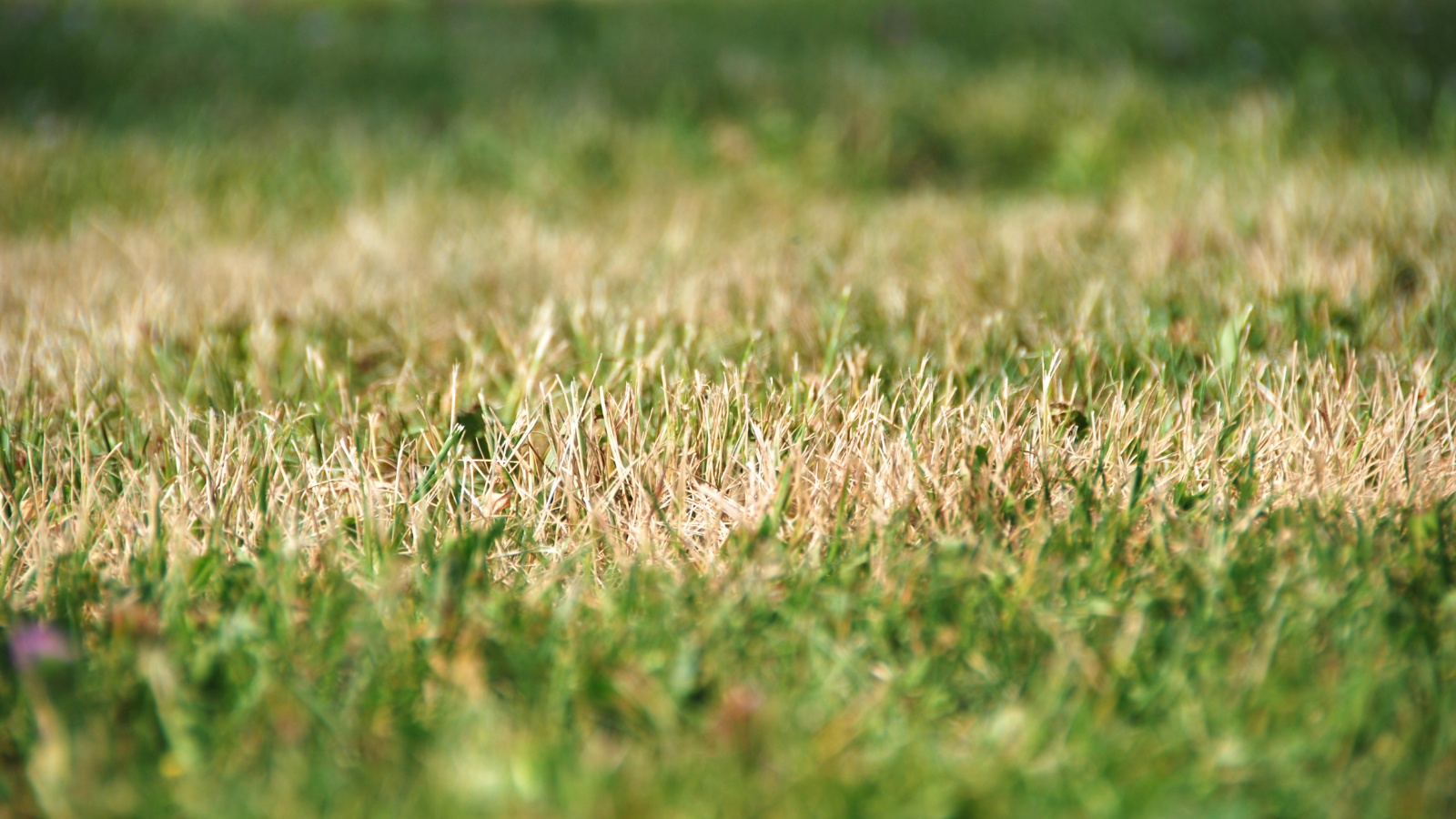
Most grasses go dormant in winter, entering a state of rest to survive the cold. During this time, their growth slows significantly. While it may look like your lawn is inactive, it’s still vital to provide the care it needs to stay strong.
Common Winter Lawn Challenges
- Ice Damage: Snow and ice can suffocate grass, creating a breeding ground for mold and fungal diseases.
- Salt Damage: Road salt used for de-icing can harm your lawn’s roots.
- Compaction: Foot traffic and snowplowing can compact the soil, restricting root growth.
Essential Winter Lawn Care Practices
Last Mowing of the Season
Before winter fully sets in, give your lawn a final mow. Set your mower blade to a higher setting, leaving the grass a bit longer. Longer grass helps protect the roots from frost damage and keeps the lawn looking neat.
Clean Up Debris
Rake up leaves, sticks, and other debris. Leftover debris can block sunlight and air, creating a moist environment that encourages mould and fungal diseases.
Apply Winter Fertiliser
In late fall, apply a slow-release fertiliser designed for winter. This provides essential nutrients that support root development and prepare the grass for the spring growth surge. Avoid high-nitrogen fertilisers, as they can promote weed growth and cause the grass to grow too quickly before winter.
Adjust Watering Schedule
As temperatures drop, your lawn needs less water. However, ensure the soil stays moist, especially in the early weeks of winter. Water your lawn thoroughly before the ground freezes to ensure the grass roots remain hydrated.
Minimise foot traffic on your lawn when it’s covered with snow or ice. Walking on frozen grass can damage the blades and compact the soil, making it harder for grass to breathe.
Use Snow Melt Products Sparingly
If you use salt or other de-icers, apply them sparingly and choose pet-safe options. Excessive salt can harm grass roots and soil health, leading to bare spots in the spring.
Aerate in Fall
If you haven’t already, fall is the ideal time for lawn aeration. Aerating relieves soil compaction, improves water and nutrient penetration, and encourages root growth. This process is particularly beneficial for lawns in clay-heavy soil.
Over-seed Thin Areas
Winter is a good time to overseed thin or bare spots in your lawn. Use a winter-hardy grass seed to fill in gaps, ensuring a denser, healthier lawn come spring.
Winter Lawn Care Tips for Different Grass Types
Cool-Season Grasses
Species like Kentucky bluegrass, fescue, and ryegrass thrive in colder climates. These grasses benefit from a fall feeding with a high-phosphorus fertilizer to strengthen roots. Keep mowing until the grass stops growing, then switch to a higher blade setting for the final cut.
Warm-Season Grasses
In warmer climates, warm-season grasses like Bermuda, Zoysia, and St. Augustine go dormant in winter. Reduce mowing to the lowest setting before the first frost, and avoid fertilizing until spring when the grass begins to wake up.
Preparing for Spring: Your Winter Lawn Checklist
Inspect and Plan
Take advantage of the winter months to inspect your lawn’s condition and plan your spring lawn care strategy. Look for signs of damage or areas that need attention, such as soil compaction or drainage issues.
Equipment Maintenance
Winter is a great time to service your lawn equipment. Clean, sharpen, and store your mower and other tools properly to ensure they’re ready for spring. Check and replace any worn parts to avoid delays when the growing season begins.
Educate Yourself
Stay informed about lawn care best practices by reading up on the latest techniques and trends. Joining local gardening clubs or online forums can also provide valuable insights and support from fellow lawn enthusiasts.
Conclusion
Winter lawn care may seem like a daunting task, but with the right approach, you can ensure your lawn remains healthy and ready to thrive when spring arrives. From proper mowing and fertilizing to protecting against ice damage and planning for spring, each step you take in winter contributes to a lush, green lawn in the warmer months. By following these guidelines, you’ll not only enhance your lawn’s resilience but also enjoy a beautiful, healthy outdoor space throughout the year. So, grab your gear and start preparing your lawn for the winter ahead – your future self will thank you!